Wellbeing · November 21, 2026 · 8 min reading
Cooperative care: an offered paw beats a restrained one
Practice for seconds and separate each difficulty. Touching a nail, bringing out clippers, and clipping are three different exercises.

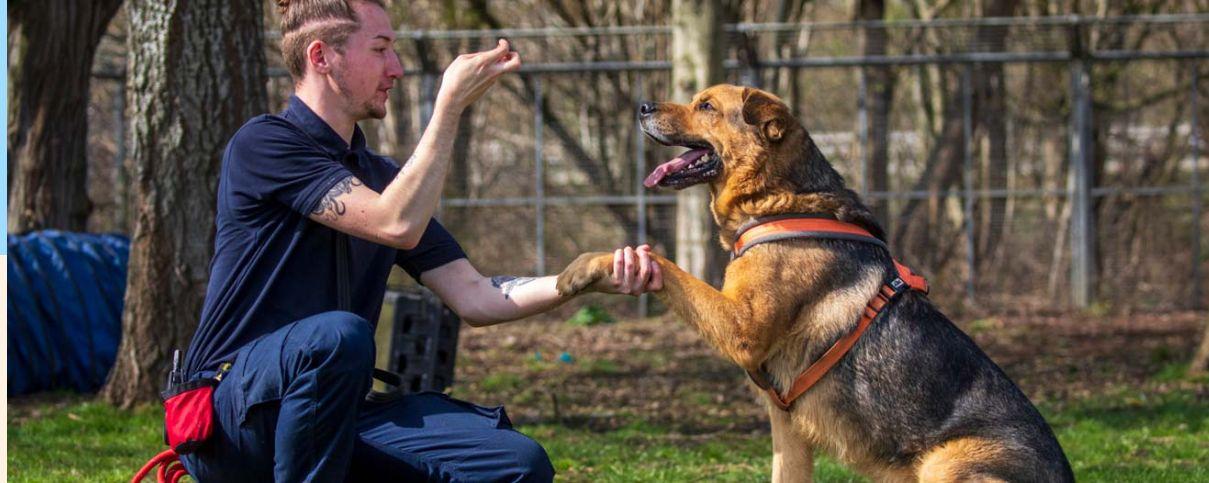
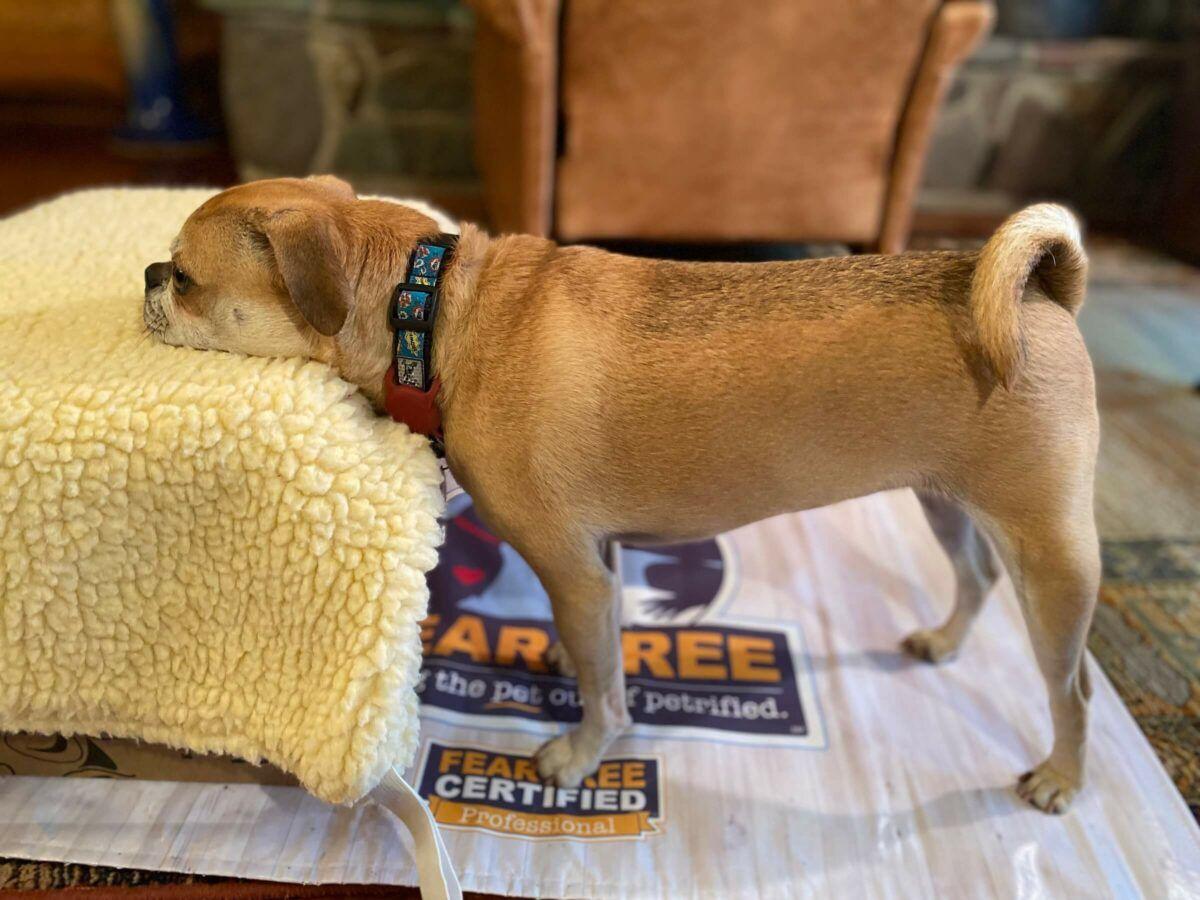
Cooperative care gives a dog a clear way to begin and pause. The dog may rest the chin on a towel, offer a paw, or remain on a mat. Handling takes place while that behavior continues.
| Signal | Choose a voluntary start signal that is easy to recognize. |
|---|---|
| Pause | Touch for one second, remove the hand, and reward. |
| Gradual | Pause when the dog leaves the position or becomes tense. |
| Urgent care | Coordinate with a veterinarian for pain, infection, or urgency. |
AVSAB recommends building these skills gradually. First reward the start signal several times. Then touch the shoulder for one second, remove the hand, and reward before moving toward a paw, ear, or muzzle.
One second of cooperation counts as a repetition
Begin outside bath or medication time. Touch a shoulder, reward, and remove your hand. Progress toward a paw, ear, or lip in short sessions. A behavior such as resting the chin on a towel can signal consent to continue. When the dog lifts the head, pause.
Perfect stillness is unnecessary. The dog should understand what will happen and be able to request a break. Use a nonslip surface and prepare tools first. Pain, discharge, swelling, or a new reaction needs veterinary assessment. Training should never delay necessary care.
Sources consulted
Based on the AVSAB introduction to cooperative care training.
- AVSAB: An introduction to cooperative care trainingAmerican Veterinary Society of Animal Behavior
- AVSAB behavior position statementsAmerican Veterinary Society of Animal Behavior
- AVSAB humane dog-training position statementAmerican Veterinary Society of Animal Behavior
- AAHA canine life-stage checklistAmerican Animal Hospital Association