
Nutrition · October 16, 2026 · 8 min read
Raw diets and boarding: the cold chain matters
Risk reaches hands, utensils, surfaces, and feces. Pack sealed portions and provide instructions the team can follow precisely.

Serving a raw diet away from home involves more than carrying a container. A boarding facility needs refrigerator space, a place to thaw food, identified utensils, and a routine that keeps residue away from other bowls.
| Cold | Ask whether the facility accepts raw food before booking. |
|---|---|
| Hygiene | Provide individual portions that are sealed and clearly labeled. |
| Disclose | Explain refrigeration, thawing, utensils, and cleaning. |
| Urgent care | Review a homemade diet's balance with a veterinary professional. |
Diet changes the facility's risk
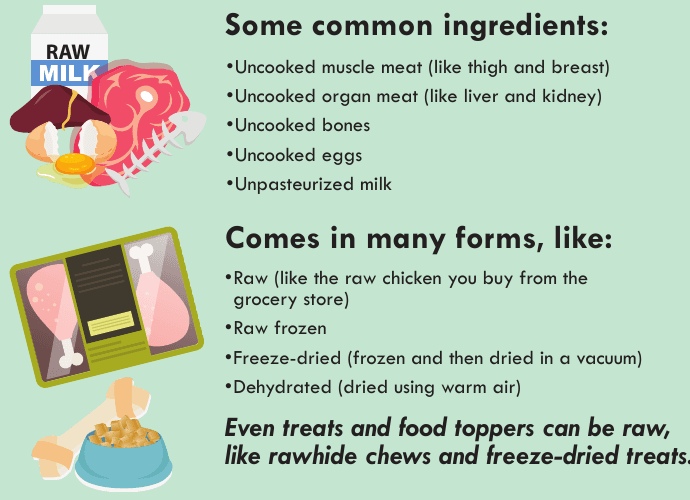
Raw meat can carry bacteria that affect the dog, staff, and other animals through bowls, surfaces, and feces. Before booking, ask whether the facility accepts it, where it is stored, and how cross-contamination is prevented. Do not hide the diet in unlabeled containers.
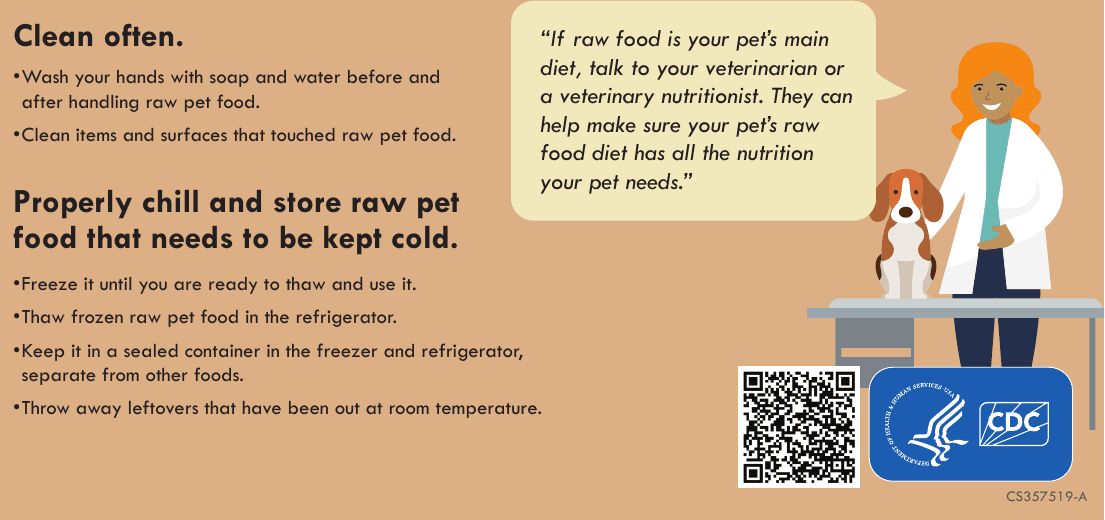
If the facility cannot handle it, ask the veterinarian about a complete alternative and transition before check-in. Do not switch during the stay. Wash hands and utensils, thaw in the refrigerator, and discard leftovers as directed. Human risk deserves special attention in homes with young children, older adults, pregnancy, or immune suppression.
Sources consulted
Adapted from FDA warnings about raw pet food risks.