Health · May 7, 2026 · 5 min read
H5N1 and domestic cats: a reminder to tighten health routines
The practical response is not panic. It is better hygiene, safer feeding, symptom awareness, and early communication with a veterinarian.
What matters
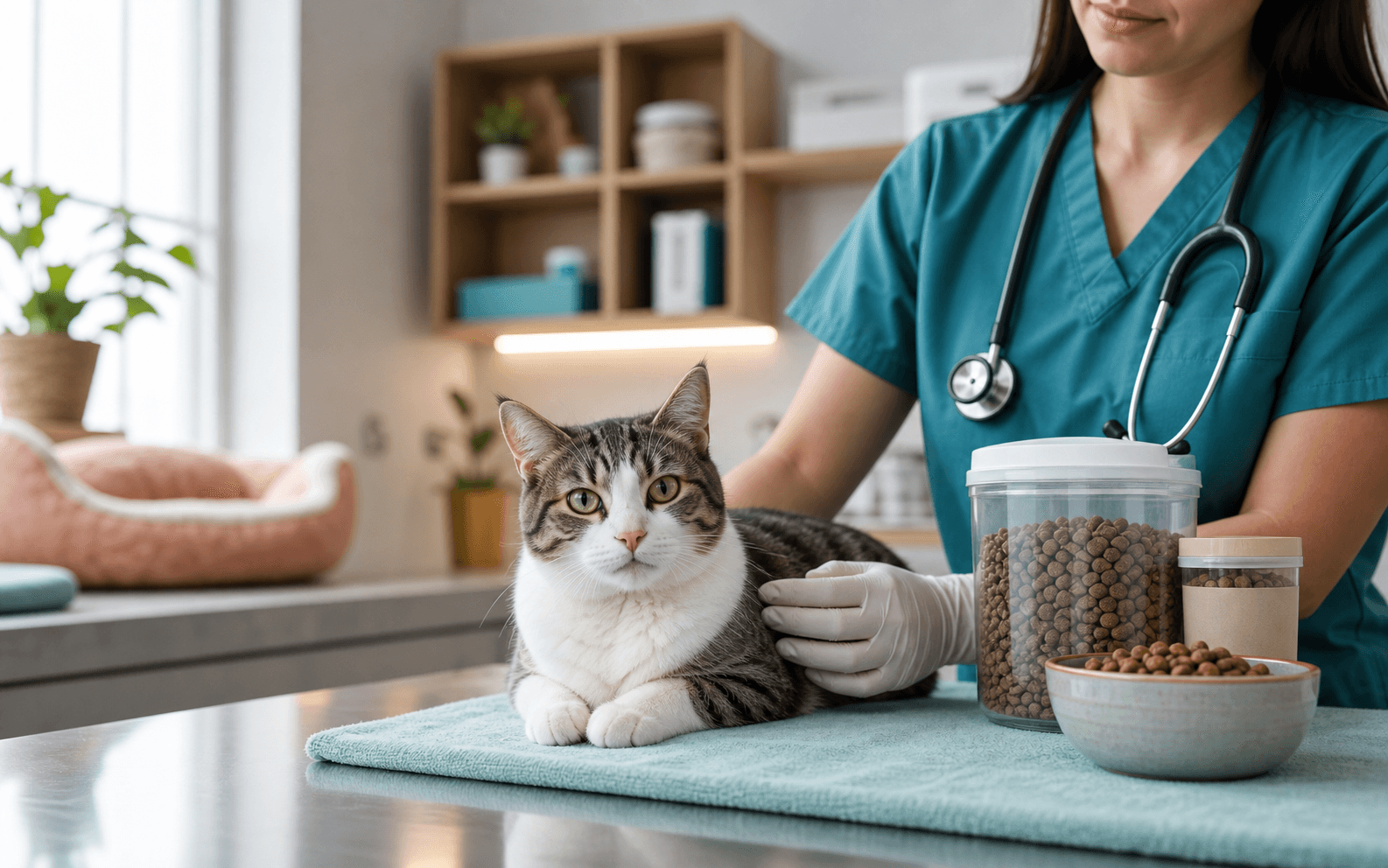
- Cats should be kept away from sick or dead birds.
- Raw or uncontrolled food can add unnecessary risk.
- Respiratory, neurologic, or lethargy signs should be discussed with a veterinarian.
The CDC MMWR report published on May 7, 2026 focused attention on an investigation involving possible H5N1 avian influenza transmission from a domestic cat to a veterinary professional. The topic matters for cat families and for households where multiple animals share space.
The practical recommendation is to reduce avoidable exposures. Cats should not approach sick or dead birds, and families should avoid raw foods or uncertain animal-origin products when health alerts are active.
Signs that deserve veterinary attention can include respiratory changes, appetite loss, lethargy, fever, neurologic signs, or rapid decline. Self-medicating or waiting too long can make a problem harder to manage.
For temporary stays, recent history matters: bird contact, food changes, illness at home, or recent veterinary visits help a care team decide whether a pet can safely share space with others.
Villa CanInna reads this as prevention news. Collective health in a care environment starts with clear filters, constant hygiene, and honest communication from each family.
Real source
Adapted from the CDC MMWR report on avian influenza A(H5N1), domestic cats, and veterinary exposure.
CDC MMWR