
Travel · July 15, 2026 · 8 min read
Traveling with a dog or cat: check documents before buying
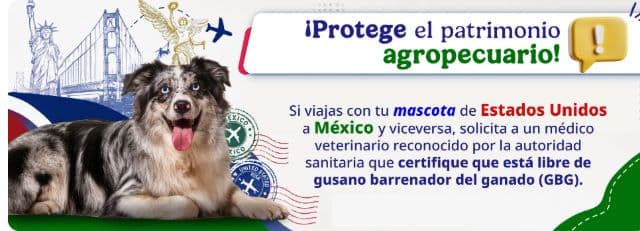
An old screenshot is not an official requirement. Review the complete route, confirm dates, and help the animal become comfortable with the carrier before departure day.

SENASICA maintains information for people entering or leaving Mexico with dogs or cats. Check that source for the specific trip. Requirements vary with the destination, mode of travel, and current health rules. Advice posted on social media months ago may be incomplete by departure day.
| Documents | Check SENASICA and the destination country's authority. |
|---|---|
Verify the entire route, including the return
Requirements can change by country, species, connection, carrier, and return route. Check the destination authority first and then every carrier; obtain written confirmation of certificate validity, vaccinations, treatments, microchip rules, and carrier dimensions. Start several weeks ahead and check again near departure because animal-health alerts such as rabies or screwworm can change documents and deadlines.
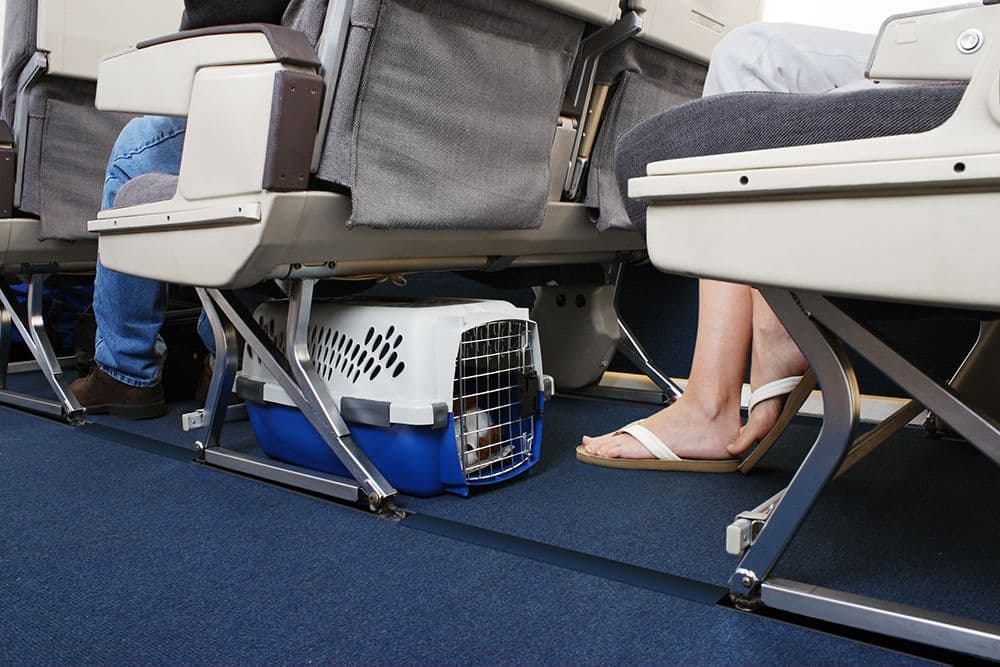
Prepare matching physical and digital folders with identification, vaccination records, certificates, prescriptions, veterinary contacts, and the destination address. The carrier should let the animal stand, turn, and lie down, be clearly identified, and be practiced at home. Unsupervised sedation can increase respiratory or circulatory risk; any travel medication should be decided by the veterinarian who examined the animal.
Sources consulted
Adapted from SENASICA guidance for traveling with pets and reviewing zoosanitary requirements.