
Health · September 1, 2026 · 7 min read
Rain and puddles: reduce a dog's exposure to leptospirosis
Risk changes with location, rodents, and the dog's activities. Ask the veterinarian about vaccination and what to do after possible exposure.

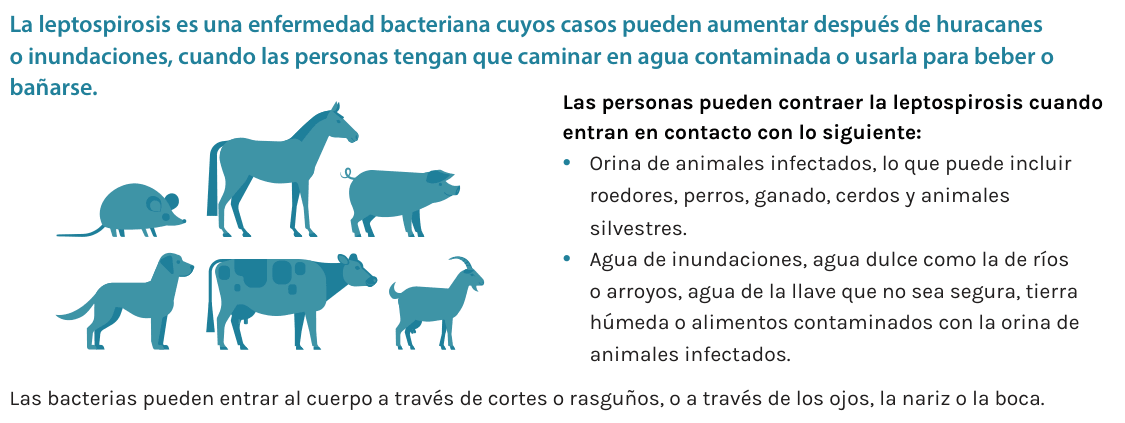
CDC explains that dogs can contract leptospirosis through contact with urine from infected animals or contaminated water and soil. Rain does not create the disease, but puddles, flooding, and rodents can increase opportunities for exposure.
| Avoid | Keep the dog from drinking or playing in standing water. |
|---|---|
| Clean | Provide clean water and reduce rodent access. |
Rain changes exposure during a walk
The bacteria can remain in water or soil contaminated by urine from infected animals. A puddle does not have to look dirty. Keep dogs from drinking standing water, cover wounds before going out, and rinse paws with water afterward. Improvised disinfectants on irritated skin can create a separate problem.
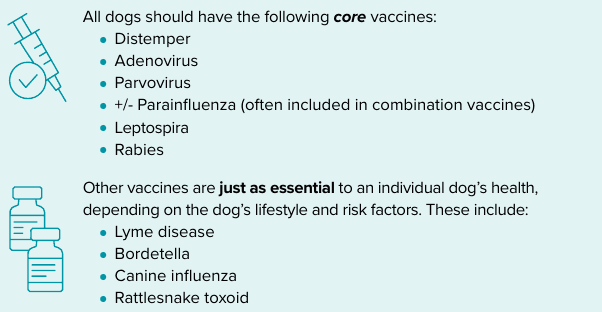
Ask the veterinarian whether leptospirosis vaccination fits local risk and the dog's lifestyle. Fever, lethargy, vomiting, urine changes, unusual thirst, or yellow eyes and gums need a veterinary call. Wear gloves when cleaning urine from a sick dog and follow clinical instructions because some strains can infect people.
Sources consulted
Adapted from CDC information about leptospirosis in pets and exposure prevention.