
Training · September 7, 2026 · 7 min read
When a dog pulls, begin on the most boring street
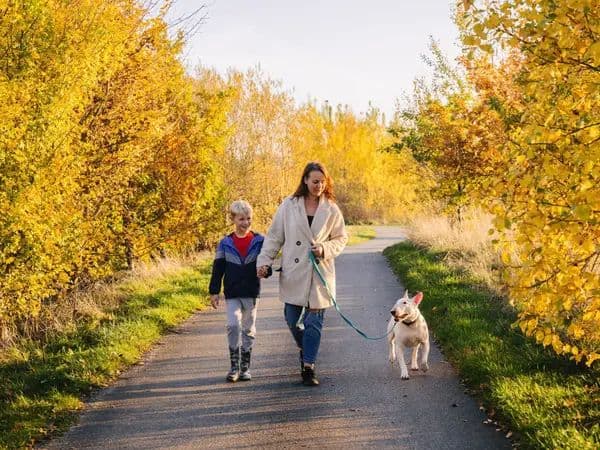
A walk does not need to look like a military march. Aim for a leash without tension, time to sniff, and a dog that can still respond.

A dog pulling on a crowded avenue may not be ready to learn there. Begin in a hallway, patio, or quiet street. Take a few steps, reward before the leash becomes tight, and allow sniffing. Ten clear minutes teach more than an hour of struggling.
| Focus | Check for pain and proper harness or collar fit before training. |
|---|---|
| Pace | Practice for a few minutes in an easy place. |
| Reward | Reward a loose leash and make sniffing part of the walk. |
Change the route before blaming the dog
Practicing beside a busy road full of dogs, motorcycles, and food scraps makes every step difficult. Start in a hallway, driveway, or quiet street. Reward a loose leash with movement, sniffing, and food. When the leash tightens, stop or change direction without jerking. Five careful minutes teach more than an hour of pulling against each other.
Check harness or collar fit and rule out pain if pulling began suddenly. Record the distance at which the dog can notice a trigger and still eat. That measurement shows progress even before the dog walks beside your leg. Aim for a safe walk that both dog and person can understand, not a military posture.
Sources consulted
Adapted from MSD Veterinary Manual information about dog behavior, exercise, enrichment, and routine.