
Health · October 13, 2026 · 7 min read
Bad breath in dogs: the mouth can change behavior
Look at the mouth without forcing it and record appetite changes. Cleaning or extraction requires recovery time before a stay.

Strong, constant breath should not become accepted as part of a dog's personality. Watch for approaching and leaving the bowl, dropping kibble, chewing on one side, or avoiding toys that the dog once enjoyed.
| Check | Seek care for persistent odor, bleeding, swelling, or pain. |
|---|---|
| Brush | Watch for dropped food, one-sided chewing, or avoided kibble. |
| Consult | Tell the boarding facility about dental treatment and medication. |
Persistent bad breath deserves an oral exam
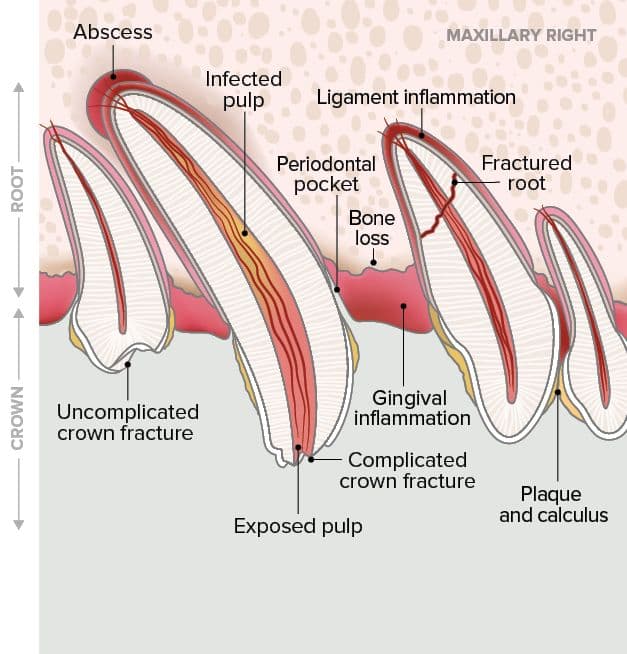
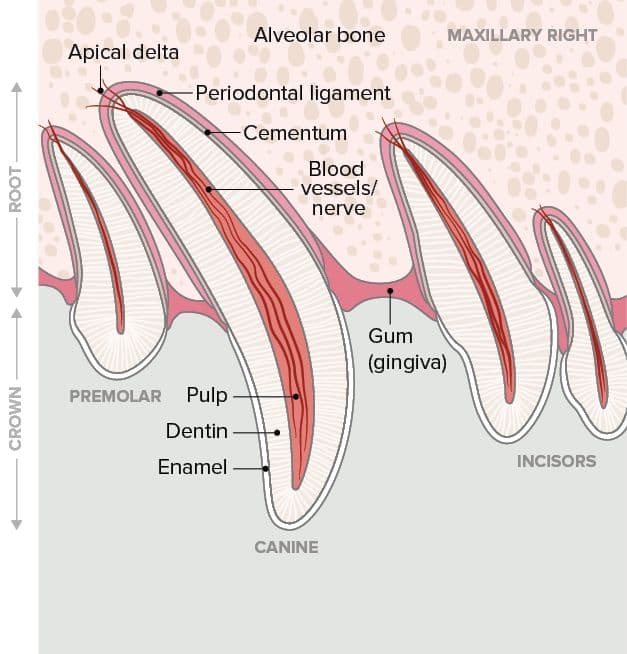
Lift the lip calmly and look for red gums, tartar, broken teeth, blood, lumps, or pain with touch. Notice whether the dog drops food, chews on one side, drools, or avoids hard toys. Strong odor is not an unavoidable part of aging. It can accompany periodontal disease and other problems.
Brushing with dog toothpaste helps prevent buildup, but it cannot remove hardened material below the gumline. Professional cleaning needs a veterinary assessment and an appropriate anesthesia plan. Do not scrape teeth at home, and check hard chews. If your fingernail cannot mark the item, it may fracture a tooth.
Sources consulted
Adapted from AVMA information about pet dental care.