健康 · November 24, 2026 · 8 最小读数
Before the veterinary visit: prepare the trip and the history
Bring videos, doses, and a short timeline. After previous panic, ask about a quiet time and prescribed pre-visit medication.

A difficult visit can begin before arrival. Practice entering the car, wearing a travel harness, or resting in a carrier at times that do not always end at the clinic. Keep trials short and add something the dog values.
| Practice | Practice the car, safety harness, or carrier on short outings. |
|---|---|
| Inform | Tell the clinic about fear, escape, or attempted bites. |
| Adapt | Bring symptoms, timing, medication, and questions in writing. |
| 紧急护理 | Use pre-visit medication prescribed for that individual dog. |
AAHA recommends telling the clinic how the pet responds. At booking, report shaking, growling, escape attempts, or food refusal. Ask about quieter hours, waiting in the car, or going directly into a room.
Reduce waiting and surprises
Ask whether you can wait in the car and enter when the lobby is clear. Bring tolerated treats, a nonslip mat, records, and symptom videos. Practice stepping on a scale and entering the carrier on ordinary days. Arriving moderately hungry may help when the veterinarian considers it safe.
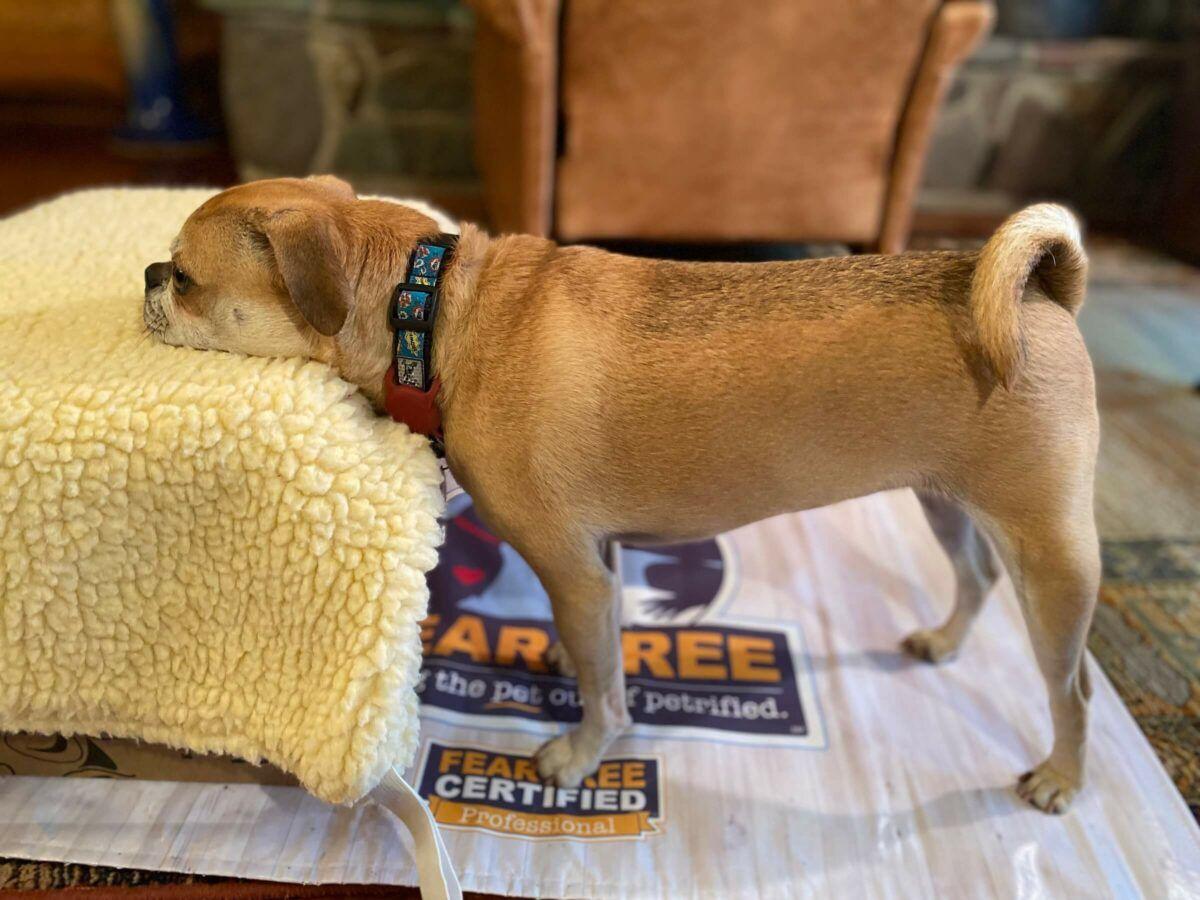
Report bite history, needle fear, and painful areas in advance. That honesty allows the team to prepare a muzzle, pre-visit medication, or more time. Do not surprise staff or force the dog to endure until panic takes over. A shorter visit that postpones one task may be better than completing everything through fear.
Sources consulted
Based on AAHA guidance for preparing pets for a successful veterinary visit.
- AAHA: Preparing your pet for a successful veterinary visitAmerican Animal Hospital Association
- AVSAB behavior position statementsAmerican Veterinary Society of Animal Behavior
- AVSAB humane dog-training position statementAmerican Veterinary Society of Animal Behavior
- AAHA canine life-stage checklistAmerican Animal Hospital Association