
Nutrition · July 18, 2026 · 8 min read
Dog food: read the label before the advertising
Price per kilogram tells only part of the story. Life stage, calories, serving size, digestive tolerance, and veterinary advice all change the real cost.

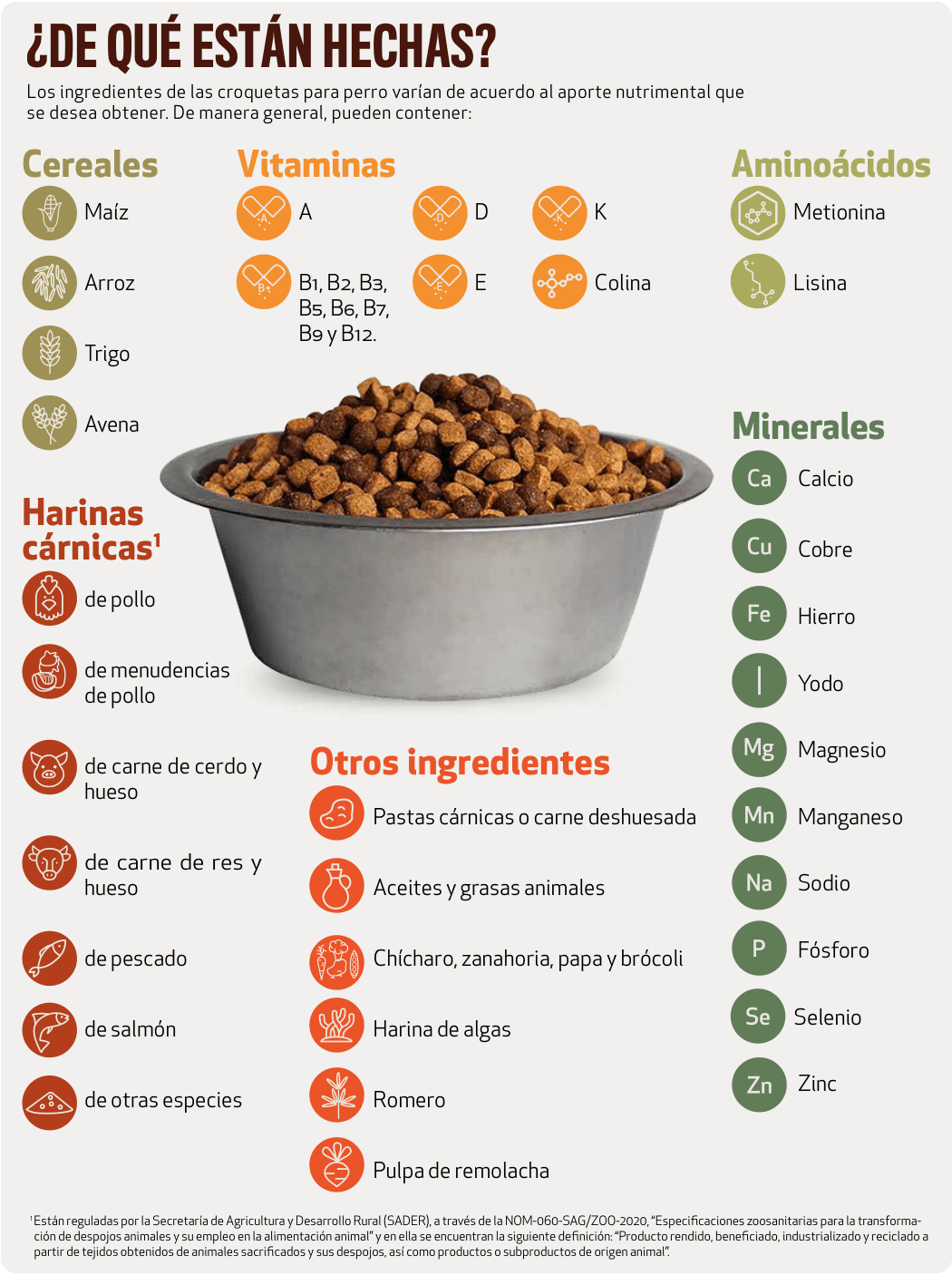
Profeco has analyzed dog foods and compared their contents with label claims. The results are a useful starting point, not a shopping order. A bag may match its label and still be wrong for a particular dog's age, weight, or health.
| Label | Check the life stage for which the food is formulated. |
|---|---|
| Portion | Read calorie content and measure portions instead of estimating by eye. |
| Quality | Calculate daily cost instead of judging by the price of the bag. |
| Urgent care |
A sound comparison begins with nutritional adequacy
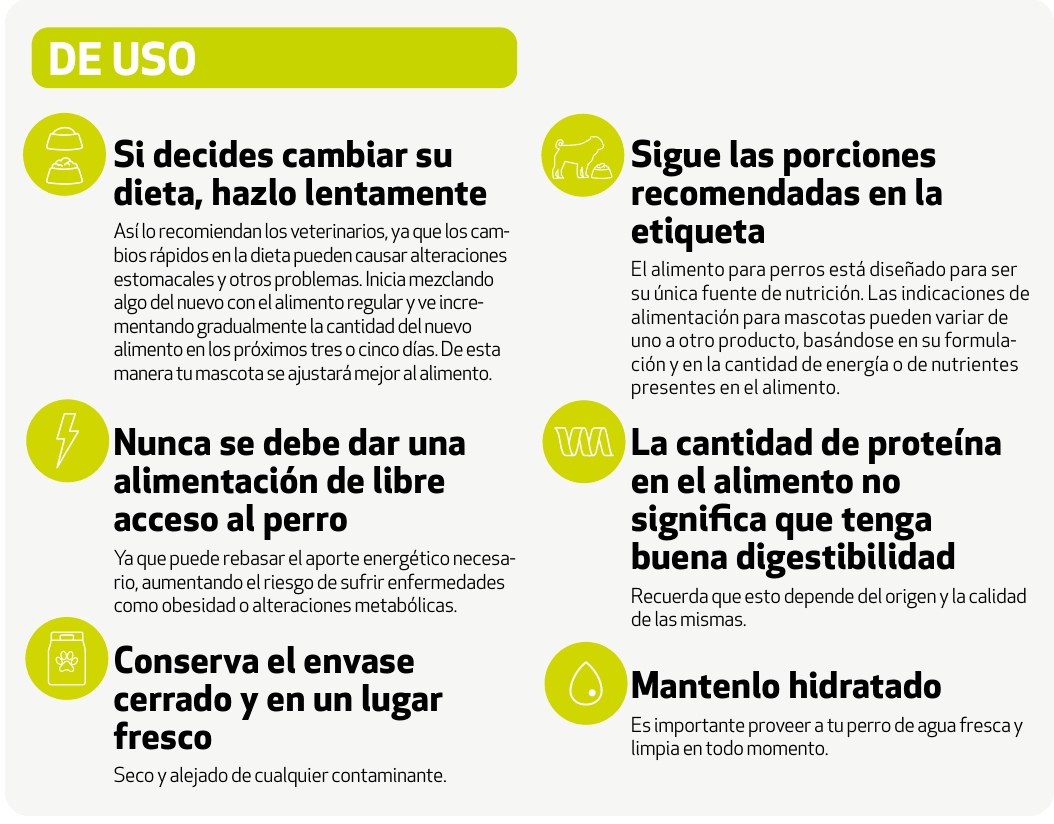
Before comparing protein, attractive ingredients, or price per kilogram, identify the intended species and life stage and whether the food is described as complete and balanced. Adult maintenance does not meet the same needs as growth or reproduction, and treats or supplements should not be assumed to be a sole diet. Package feeding directions are a starting point adjusted for weight, body condition, activity, and veterinary advice.
Ingredients are listed by weight before processing, but that list alone does not measure digestibility or total quality. Guaranteed-analysis percentages can mislead when dry and wet foods contain very different amounts of water; a technical comparison uses a dry-matter basis. Keep the lot number and expiration date, retain the original package, and tell the veterinarian about persistent stool, skin, appetite, or weight changes after a gradual transition.
Sources consulted
Adapted from Profeco's quality study on complete dog foods in Revista del Consumidor.