Wellbeing · October 31, 2026 · 8 min reading
Dog costumes: the photo ends when comfort does
A familiar bandana may be enough. Avoid elastic, masks, paint, and pieces that rub, trap heat, or end up in the dog's mouth.

Before admiring the costume in a mirror, watch the dog walk, sit, and lie down. The dog must be able to see, hear, pant, drink, and eliminate normally. Clothing that changes those functions is no longer decoration.
| Fit | Check movement, sight, hearing, breathing, and temperature. |
|---|---|
| Test | Use two fingers to check fit and look for rubbing points. |
| Remove | Begin with seconds and increase wearing time gradually. |
| Next step | Keep identification on and supervise whenever clothing is worn. |
AAHA recommends checking safety and fit. Slide two fingers under the neck, chest, and leg openings, and look for rubbing near the armpits, eyes, or genitals. Skip masks, long ties, dyes, adhesives, and chewable decorations.
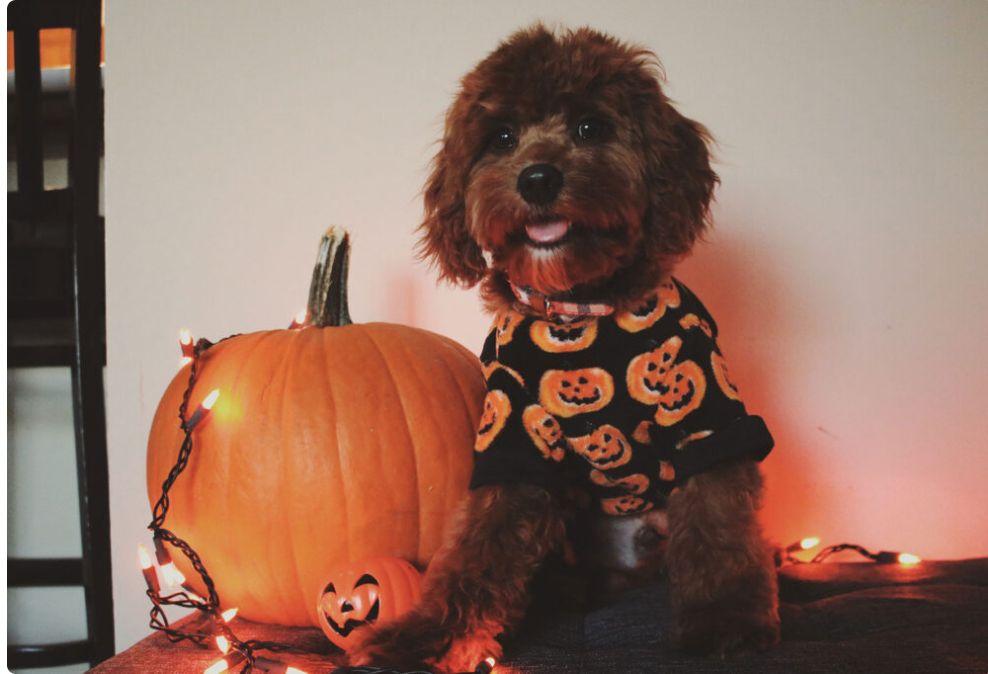
A photo is not worth difficult breathing
Try the costume for a few seconds at home and reward the dog when it comes off. It should allow walking, panting, drinking, urinating, and normal eye and ear movement without rubbing. Remove cords, buttons, and chewable pieces. If the dog freezes, tries to tear it off, or refuses food, the answer is no.
A light bandana or no accessory is a valid choice. During the event, watch candy, open doors, and excited children. Keep identification and a leash ready. Short-nosed dogs, seniors, and dogs with sensitive skin need even less weight, heat, and costume time.
Sources consulted
Based on AAHA guidance for choosing and testing pet Halloween costumes safely.