
Training · September 4, 2026 · 8 min read
Choosing a dog trainer: ask what happens when the dog fails
Ask to observe a class and define measurable behavior. 'Make the dog obedient' does not show whether the plan works or what the dog is learning.

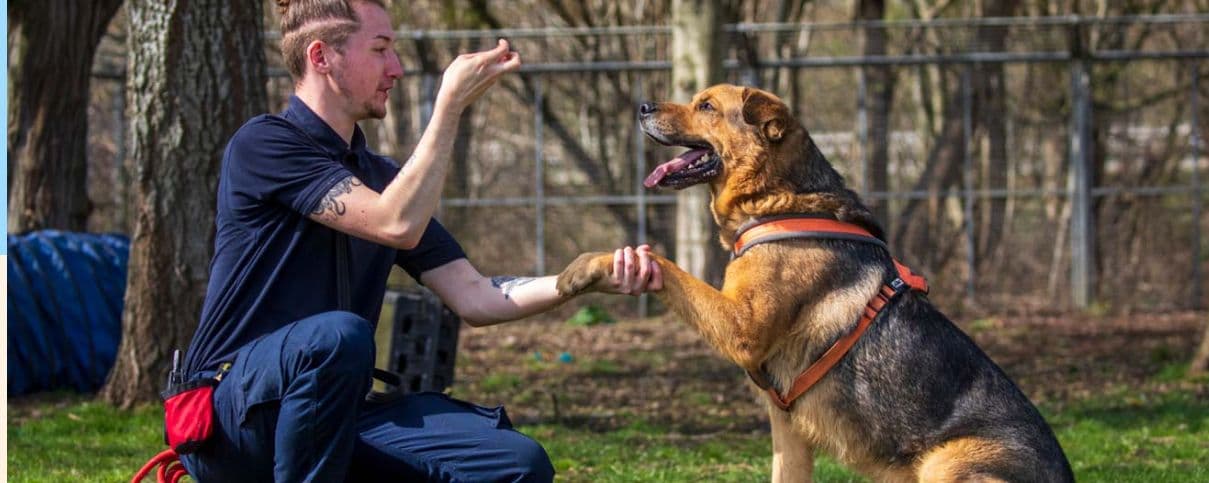
AVSAB supports reward-based dog training without intimidation. One simple question reveals a professional's approach: what happens when the dog makes a mistake? Listen for changes in difficulty, distance, and the response being taught, or an immediate turn toward punishment.
| Reward | Ask about education, methods, and handling mistakes. |
|---|---|
| Observe | Observe a class before leaving the dog. |
Ask what happens when the dog gets it wrong
Almost any trainer can show a short clip of correct behavior. The revealing question is what happens when the dog becomes distracted, afraid, or unresponsive. Look for distance management, rewards, environmental changes, and goals you can measure at home. Avoid anyone who guarantees results or refuses to let you observe a session.
Ask about education, experience with the specific problem, and a written plan. AVSAB recommends reward-based training and advises against methods that cause pain or fear. If the dog shows aggression, panic, or a sudden behavior change, start with the veterinarian. Pain and illness can change behavior too.
Sources consulted
Adapted from AVSAB positions on humane training and behavioral welfare.