
Back to news

Boarding · July 27, 2026 · 8 min read

Dog boarding in Durango: what to inspect during a visit

Visit with a caregiver's eyes, not a tourist's. Inspect access points, rest, water, shade, and the route staff will follow when a dog needs attention.

Caregiver reviewing an intake checklist with calm dogs in a clean boarding facility.

A search for dog boarding in Durango often begins with location and price. A facility visit should begin elsewhere: who will be responsible for the dog and during which hours. Ask for a role or name, find out how many animals each person handles, and confirm whether anyone supervises overnight.

Quick guide: Dog boarding in Durango: what to inspect during a visit
TrustConfirm actual check-in, pickup, and supervision hours.
Play yardInspect doors, fences, floors, shade, and rest areas.
CareAsk which symptoms prevent check-in and how emergencies are handled.
Before bookingPut food, behavior, medication, and authorized people in writing.

Walk the dog's route from the entrance. Count the doors opening toward the street, inspect fence height and condition, look at play surfaces, and find the place where a dog can rest without the group crowding it. Water, shade, and ventilation should be visible rather than promised vaguely.

Ask what happens when a dog arrives with a cough, diarrhea, fleas, an expired vaccine, or an injury. Serious health screening can disrupt a travel plan, but it protects the group. The facility also needs a clear way to separate, communicate, and seek veterinary care when a symptom begins after check-in.

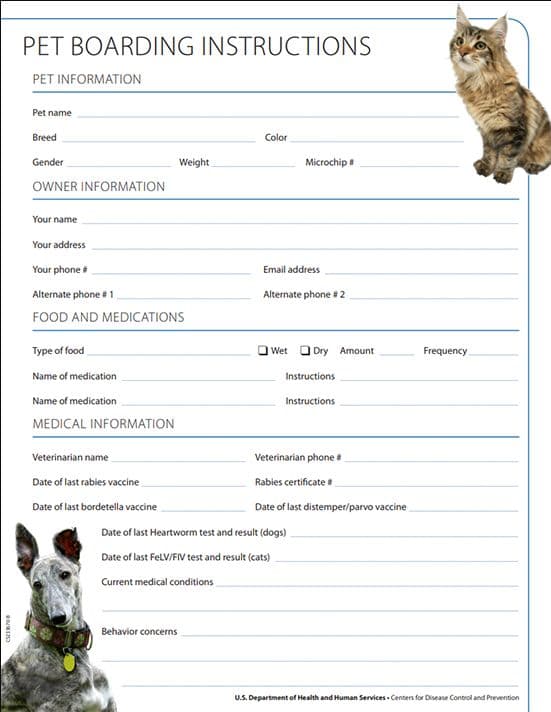
Read the reservation before paying. Hours, late charges, cancellation terms, food, medication, and authorized contacts belong in writing. If someone else will collect the dog, add that person's name in advance and confirm the identification required at pickup.

Villa CanInna requests health records and behavior details because a yard is only one part of boarding. The rest is decision-making with good information. When a requirement is missing, we may postpone check-in. Disrupting a schedule is better than exposing several dogs.

Match the boarding service to your actual dog

A facility can suit a social dog and overwhelm another. Accurately disclose reactivity, noise fears, resource guarding, escape attempts, handling tolerance, and experience with crates or groups. Ask whether the service provides individual assessment, scheduled rest, separate feeding, and staff who can administer medication exactly as prescribed.

Arrange a short trial stay when a dog has never slept away from home, is a senior, or has special needs. Define what updates you will receive and whether they cover appetite, water, elimination, sleep, activity, and incidents. Provide the veterinarian, alternate contact, doses and times, transport authorization, and labeled carrier or equipment; this information is more useful than sending many familiar objects.