
Safety · July 21, 2026 · 7 min read
Pet emergency bag: pack one you can actually carry
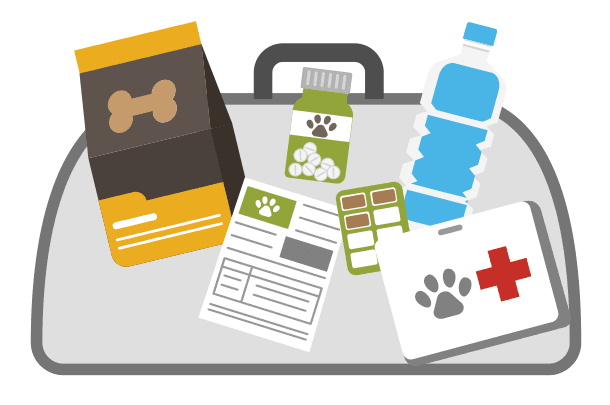
Water, food, a leash, documents, and medication form the core. A carrier and practice using it matter as much as the objects packed inside.

CENAPRED recommends including companion animals in household emergency planning. That does not mean filling another suitcase with objects that might be useful. The bag should cover the first hours and remain light enough to carry during an evacuation.
| Water | Pack water, food, medication, and documents for the first hours. |
|---|---|
| First aid | Keep a leash, harness, or carrier where it is easy to reach. |
| Records | Practice a short exit before a real emergency. |
A kit only works when there is also an exit plan
Divide preparation into documents, consumables, and transport. Keep waterproof copies of vaccination records, prescriptions, identification, and photos; rotate water, food, and medication before they expire; and store a leash, harness, or carrier near an accessible exit. Label each container with the animal's name, phone numbers, and feeding instructions. Supplies should fit each species and medical need rather than a generic list.
Practice a short evacuation to learn how long it takes to secure every animal and who carries each item. Choose two destinations, an out-of-area contact, and a person authorized to collect the pets if you are away. After an emergency, use a leash or carrier even when the animal normally has reliable behavior: scents, routes, and behavior can change, and stress increases escape and bite risks.
Sources consulted
Adapted from CENAPRED recommendations about pet items in a family emergency kit.