
Boarding · July 24, 2026 · 8 min read
Before booking dog boarding, ask these questions
A visit reveals more than twenty photographs. Inspect doors, rest areas, and cleaning, then ask what happens if the dog refuses food or becomes ill.

Profeco advises consumers to compare dog boarding terms before hiring a service. Price and distance matter, but they say little about the stay itself. Ask for the agreement, review what the rate includes, and check charges for medication, late pickup, or veterinary care.
| Clean | Ask how many dogs each caregiver supervises and how groups are formed. |
|---|---|
| Supervise | Get schedules, charges, cancellations, and emergency care in writing. |
| Rest | Confirm vaccine rules, health screening, and rest areas. |
The pre-visit should produce verifiable answers
During a tour, cleanliness and appearance are only the first check. Ask how many dogs each person supervises, how sizes and temperaments are separated, where a dog can rest away from groups, how food and elimination are recorded, and how behavior changes are detected. Inspect gates, double-door entries, ventilation, shade, isolation areas, and the form that will hold your instructions.
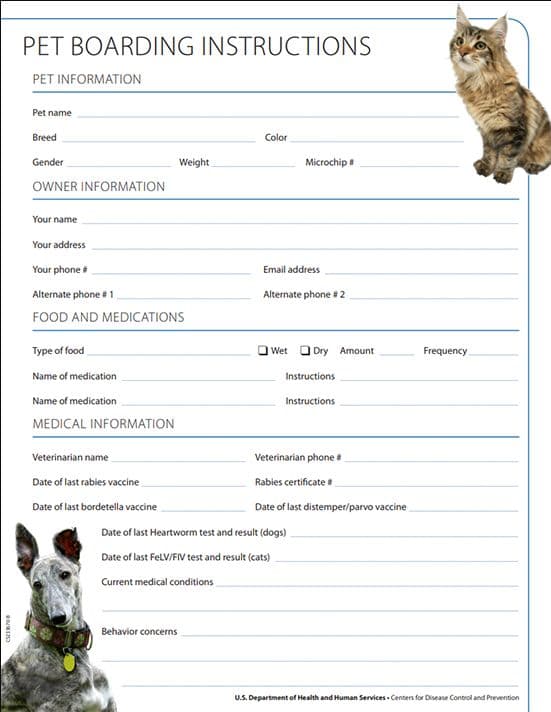
Before paying, document the price, dates, included services, health requirements, pickup hours, cancellation policy, and authorization for veterinary care with a spending limit. Name a contact who can make decisions if you cannot be reached. A responsible boarder performs a pre-assessment and may decline or adapt care when health, behavior, or stress makes a stay unsafe.
Sources consulted
Adapted from Profeco guidance about dog boarding and informed consumer decisions.