Comportement · November 15, 2026 · 8 min de lecture
If your dog barks often, record the five seconds before it
Record place, duration, posture, and outcome. Then reduce the trigger and teach a behavior the dog can perform in that context.

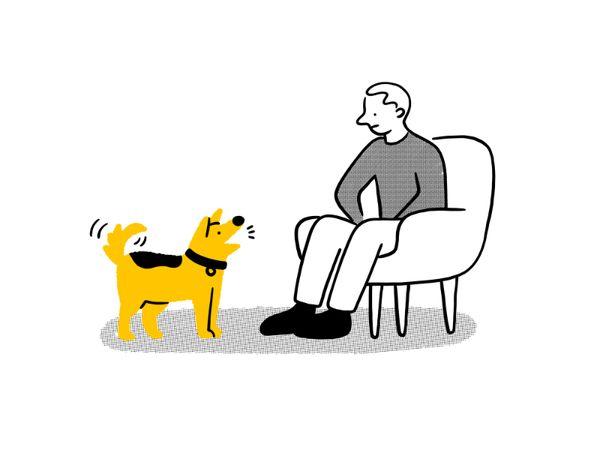
For one week, record where barking happens, what occurred five seconds before, how long it lasts, and what ends it. Include posture and movement. Similar sounds can reflect alarm, fear, frustration, play, or isolation.
| Track | Record what precedes and what ends each episode. |
|---|---|
| Reduce | Change windows, hallways, or distances that maintain barking. |
| Reward | Reward pauses, turning toward you, or going to a bed. |
| Étape suivante | Seek help for sudden changes or distress while alone. |
The advises understanding behavior in context. If a dog watches a window for hours, add curtains or translucent film, or move the furniture. For hallway sounds, try an interior rest area and background noise.
Count episodes before chasing silence
For one week, record time, location, trigger, duration, and what ended each barking episode. A doorbell, a window, pain, separation fear, and a need to go outside create different patterns. The record keeps every case from being labeled stubbornness and helps you change the environment before training.
Block views, move the bed away from the door, add sniffing walks, and teach an alternative behavior during easy moments. Do not shout or use pain-based collars. If barking begins suddenly, occurs at night in an older dog, or comes with panic and destruction, request a veterinary assessment.
Sources consulted
Based on RSPCA guidance for understanding dog behavior and communication.
- RSPCA: Understanding dog behaviourRoyal Society for the Prevention of Cruelty to Animals
- AVSAB humane dog-training position statementAmerican Veterinary Society of Animal Behavior
- AVSAB behavior position statementsAmerican Veterinary Society of Animal Behavior
- AAHA senior-care guidelinesAmerican Animal Hospital Association