Comportement · November 18, 2026 · 8 min de lecture
When a dog chews furniture: change the setup before correcting
Chewing may accompany teething, boredom, or arousal. Punishment after the damage arrives too late and never identifies the acceptable object.

Chewing is part of exploration and may increase during teething, boredom, or high arousal. Before leaving a dog alone, inspect the room from the dog's height and remove everything that should remain unreachable.
| Prévenir | Remove cords, medication, trash, and easy-to-swallow objects. |
|---|---|
| Redirect | Test suitable chews under supervision. |
| Vérifier | Interrupt calmly, redirect, and reward the approved choice. |
| Étape suivante | Seek care for ingestion, wounds, broken teeth, or sudden onset. |
MSD Veterinary Manual includes destructive behavior among problems that must be understood in context. Use gates, a pen, or a safe room, and secure cords, remotes, shoes, chemicals, and trash.
Manage access while teaching
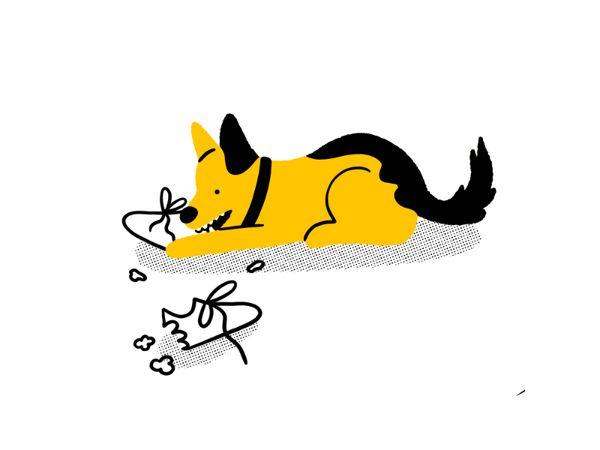
Put shoes away, block the room, and offer objects with suitable size and hardness. Reward the dog for choosing one and let chewing continue. Chasing a dog around a table leg turns the episode into a game. A pen or gate helps while the dog cannot yet make safe choices without support.
Inspect toys before each use and remove loose pieces. Sudden chewing or interest in unusual materials can accompany dental pain, digestive discomfort, or anxiety. If the dog swallows fabric, wood, or plastic, call the veterinarian. Repeated vomiting, abdominal pain, or lack of stool can indicate an obstruction.
Sources consulted
Based on the MSD Veterinary Manual review of destructive behavior and behavior problems in dogs.
- MSD Veterinary Manual: Behavior problems in dogsMSD Veterinary Manual
- FDA potentially dangerous items for petsU.S. Food and Drug Administration
- MSD Veterinary Manual gastrointestinal-obstruction guideMSD Veterinary Manual
- AVSAB humane dog-training position statementAmerican Veterinary Society of Animal Behavior